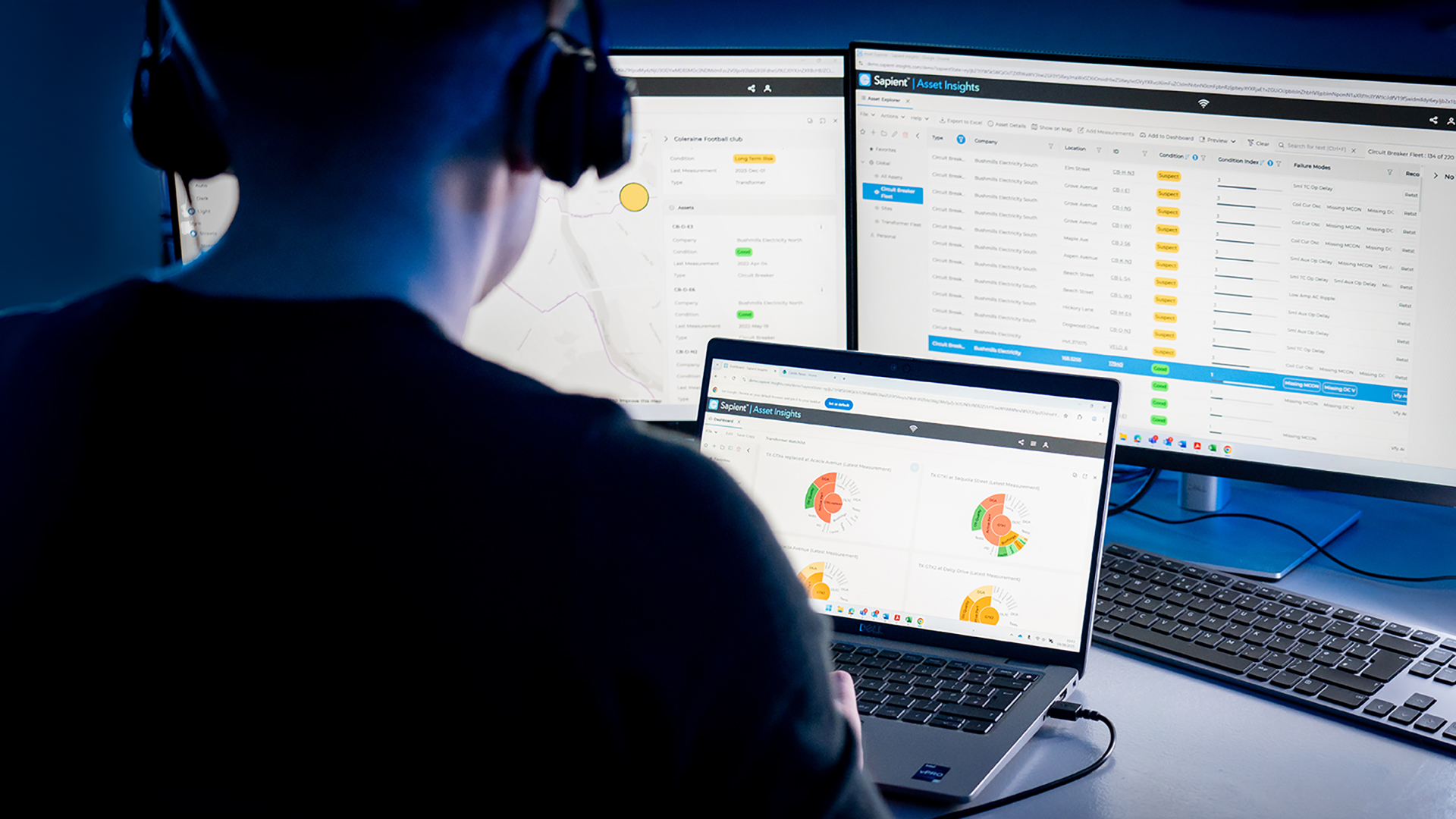
In the Energy industry, critical assets such as transformers, circuit breakers and power generators all play a vital role in the transfer of energy across the grid. The onset and growth of renewable sources of energy have transformed how the network operates with multi-directional flows of energy. The combination of an ageing infrastructure and soaring energy demand has changed the energy landscape, placing assets under unprecedented challenges.
The monitoring strategies of the past are no longer equipped to sustain this growth and demand, with many now needing to rethink their strategies.
Below, we have listed eight signs that you need to upgrade your monitoring strategy.
- Frequent unplanned failures – repeating unplanned unexpected failures are a telltale sign that your asset is not functioning at its optimal level. The current monitoring methods being adopted are not sufficient to detect and warn of emerging faults in your assets
- Increasing maintenance costs – monitoring strategies are designed to give advance notice of emerging faults. If you are beginning to see rising O&M costs due to reactive maintenance, it may indicate that current methods are no longer sufficient to address operational challenges.
- Premature ageing transformer fleet – transformers are engineered to operate for 40+ years with proper care and maintenance. Neglecting proper asset maintenance will lead to premature aging highlighting the pitfalls of ineffective maintenance.
- Lack of real-time insights – a reliance upon periodic time-based inspections can seriously hinder the health and performance of a transformer. Problems can develop quickly; without access to real-time data, there is a significant chance that faults could be missed and develop.
- High Downtime Costs – every second your assets are offline, increasing the risk of grid instability, with significant financial losses and missed revenue opportunities, critical factors that impact the sustainability of renewable energy projects.
- Challenges integrating Renewables – Wind and solar, for example, now make up nearly half of the world’s energy. Transformers need to be able to meet these new challenges, such as increased demand and load variations.
- Lack of Data Analytics – whilst there is no shortage of software systems out there, can they provide all the key information that you need? With time and SME resources at a premium, can you access your data quickly and confidently analyse to make critical decisions with confidence.
- Challenges Managing Multiple Assets – Is managing a growing fleet of assets with varying ages and conditions becoming a challenge? With the advancement in software and AI, you can now unlock smarter ways to manage these assets more effectively and reliably.
There is no doubt that the monitoring methods of the past have helped us navigate many reliability and operational challenges. However, the energy network has changed and continues to evolve; there is a need for new asset monitoring solutions that support more efficient and effective asset monitoring strategies.
At Camlin Energy, our asset monitoring solutions, provide operators with the visibility, intelligence and confidence to act to reduce risk. Camlin Energy solutions integrate sensors, software, and expert services. This approach provides earlier insight, stronger decisions, and more reliable outcomes.
To learn more, get in contact today.