Transformers are among the most critical and valuable assets in power networks worldwide. Yet many still operate far more conservatively than necessary.
According to Nathan Jacob, Asset Performance Director at Camlin Energy, this traditional approach is increasingly out of step with the realities facing the global transformer industry. He explains, “Most transformers today are operated using static ratings based on worst-case assumptions,” Those ratings don’t reflect how transformers actually behave under real operating conditions.”
Why static ratings leave value on the table
Traditional transformer ratings are designed around extreme scenarios – high ambient temperatures, maximum load, and reduced cooling effectiveness. While this methodology prioritises safety, Jacob highlights that it also results in large amounts of unused capacity during normal operation.
“In reality, worst-case conditions rarely occur at one time, ambient temperature, loading, and cooling performance are constantly changing, but static ratings treat capacity as if those extremes are permanent.”
This conservative operating model often forces network operators to restrict power flow or invest in new infrastructure earlier than necessary, even when existing transformers could safely carry more load.
The risk of operating blind
As electricity demand increases and networks become more complex, asset owners face growing pressure to push existing transformer fleets harder. At this point, increasing utilisation without sufficient visibility introduces serious risk.
“When you increase loading without real-time insight into transformer condition, you’re effectively operating blind, excessive thermal stress accelerates insulation ageing, raises the likelihood of failure, and can significantly shorten asset life.”
Because transformers often act as single points of failure, unexpected outages can have widespread operational, safety, and financial consequences.
Enabling dynamic ratings through active monitoring
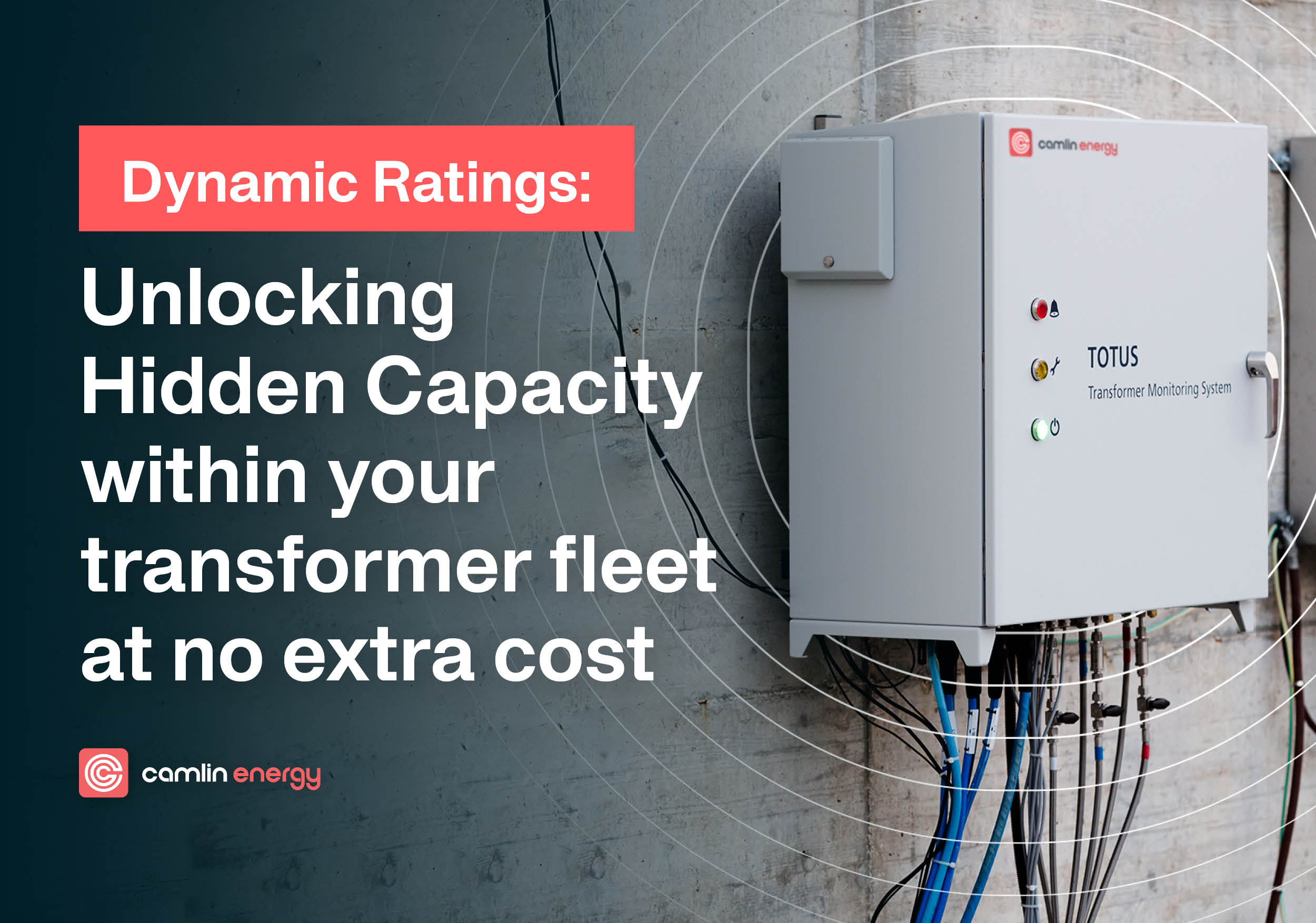
Dynamic transformer ratings offer a safer, smarter alternative. By continuously monitoring parameters such as winding temperature, oil temperature, load, and cooling efficiency, operators gain an accurate, real-time picture of transformer health and available thermal margin.
“Dynamic ratings turn transformer capacity from a fixed ceiling into a flexible, data-driven operating envelope. They allow operators to safely permit temporary overloads when conditions allow, without compromising the integrity of the asset.”
This approach replaces conservative assumptions with measured reality – enabling higher utilisation while maintaining protection.
Turning technical insight into commercial value
The financial impact of dynamic ratings can be substantial. Industry averages suggest, a 10% increase in usable capacity across a 1,000 MW transformer fleet unlocks an additional 100 MW of capacity. At an estimated value of £50,000 per MW, this equates to £5 million in additional value or deferred capital expenditure.
“That value comes from making better use of assets you already own; you’re not installing new transformers, you’re operating existing ones more intelligently.”
Beyond increased capacity, active monitoring supports earlier fault detection, predictive maintenance, and improved asset lifecycle management.
From asset protection to asset optimisation
Dynamic ratings represent a fundamental shift in how the industry views transformers.
“Transformers no longer need to be passive assets protected by conservative margins, with online monitoring, they become actively managed components that support both resilience and efficiency.”
Camlin Energy’s transformer monitoring solutions are designed to support this transition by enabling continuous online health monitoring and data-driven operational decision-making.
As transformer fleets age and replacement lead times continue to grow, enabling dynamic ratings is becoming essential rather than optional. Dynamic ratings offer a tangible solution to the increasing demand and transformer shortage challenges.
“Real-time monitoring doesn’t just protect transformers, it enables smarter operational and investment decisions, and that’s critical for the future of the global power system.”