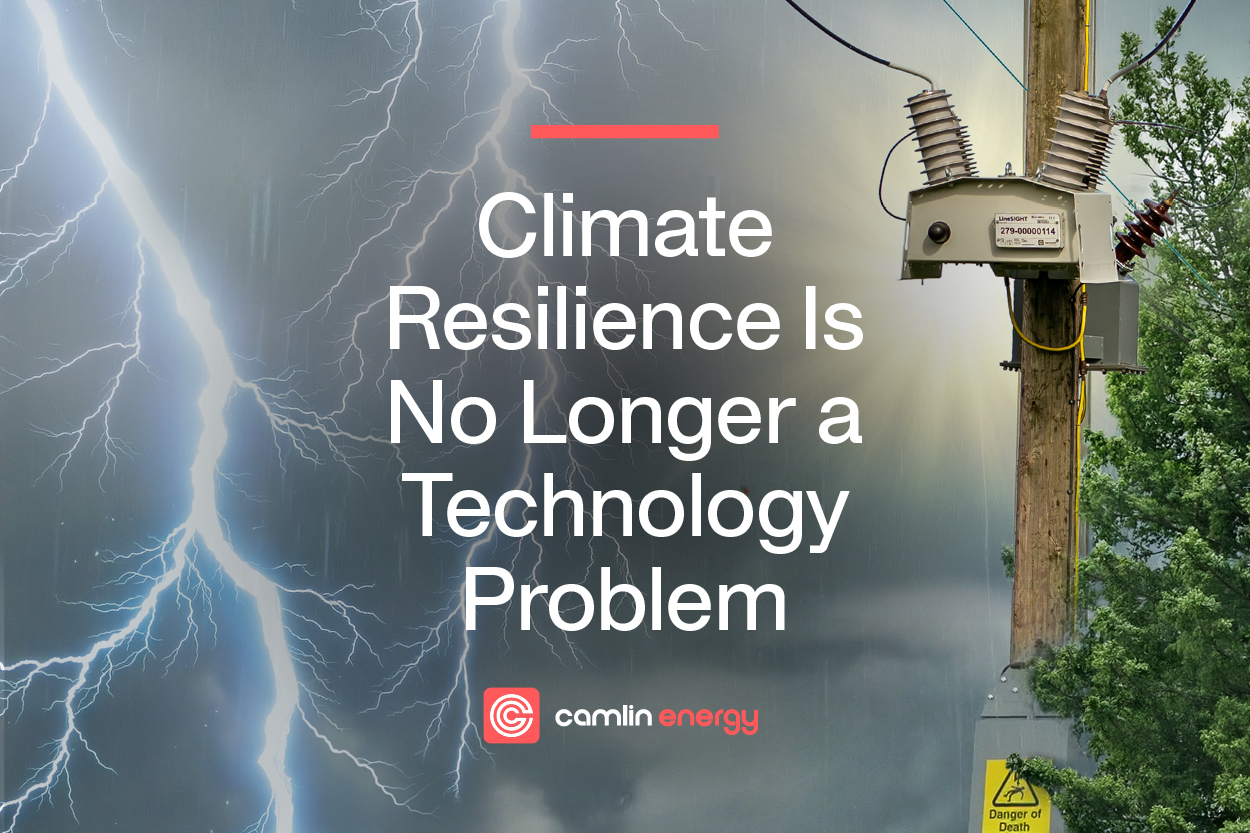
Climate Resilience Is No Longer a Technology Problem
The tools to prevent outages already exist. So why are we still reacting to failure?
There’s a common assumption in the energy sector that climate resilience is something we are still building towards, that the solutions are emerging and the capability is still catching up.
But that’s no longer true.
Today, network operators can already detect faults before they happen. Across HV and, LV networks, as well as large transformers,advanced monitoring and analytics are providing a level of visibility that simply didn’t exist even a few years ago.
This is quietly transforming what is possible, driving down operating costs in the process.
We are no longer limited to reacting when something breaks. We can now see risk developing in real time – understand where assets are deteriorating, where capacity is being stretched, and where intervention is needed before customers are impacted.
And yet, despite this step change in capability, the way many networks are operated hasn’t fundamentally changed.
The gap between what’s possible and what’s happening
In practice, many networks still follow a familiar pattern.
- A fault occurs.
- Customers are interrupted.
- Crews are dispatched.
- The issue is located, often via time consuming methods.
- A restoration or like for like repair is completed without wider consideration of future network needs.
In some cases, this cycle repeats multiple times and the root cause is rarely fully resolved.
However this approach is often:
- Disruptive for customers.
- Expensive for operators.
- And increasingly, it’s avoidable.
With the right visibility, operators can be alerted before the first outage, pinpointing both the location and the cause of a developing issue. Instead of repeated outages and reactive fixes, intervention can be planned, targeted and far less disruptive.
So why isn’t this the norm?
When incentives shape behaviour
The answer lies less in engineering, and more in economics.
While the sector has clear ambitions around resilience and net zero, the day-to-day decisions made on the network are still heavily influenced by how performance is measured and rewarded.
In many cases:
- Underspend is incentivised
- Overspend is penalised
- Success is defined by how well you respond to failure—not how effectively you avoid it
This creates a structural imbalance.
It becomes entirely rational to fix problems after they occur, but resilience, when done well, is largely invisible. The outage that never happens doesn’t show up in unit costs in the same way as a fast restoration does.
The impact where it matters most
This misalignment is most visible in parts of the network that are already under pressure.
Rural communities, for example, often experience more frequent and longer duration outages—particularly during extreme weather events. Multiple short interruptions occur every winter These same areas are also increasingly electrifying, with farms and homes investing in low carbon technologies such as solar and heat pumps. Yet these are the very areas where current investment tests struggle to justify proactive interventions due to lower customer numbers.
At the same time, climate-driven factors such as longer tree growing seasons and more volatile weather patterns are placing additional strain on infrastructure.
A different way to think about resilience
Historically, resilience has been associated with building more.
- More infrastructure.
- More capacity.
- More redundancy.
And while hardening the network will always have a role, it’s no longer the only answer.
Some of the most impactful gains now come from better understanding the assets we already have.
Extending their life by maintaining degrading assets before they reach end of life
Optimising their performance by managing load across phases and time.
Intervening earlier by turning an emergency job in storm season into planned work in summer
The cheapest capacity available to the network is the capacity that has already been built.
When operators can safely extract more value from existing infrastructure, the benefits are significant—not just in terms of reliability, but also cost, speed of connection, and ultimately consumer bills. Taken together, these benefits strengthen the economy and provide an attractive environment for industries and investors that depend on reliable, clean power.
Aligning the system with the solution
The technology is ready.
The data is available.
The insights are there.
What’s needed now is alignment.
Regulatory and commercial frameworks must evolve to recognise the value of intelligence-led, preventative investment, that deliver multiple, network wide benefits That means rewarding outcomes that don’t always present themselves as visible events – because their success lies in what didn’t happen.
It also means enabling decisions that look beyond single teams or budgets and instead capture the full system-wide benefit of acting early.
The opportunity ahead
The challenge now is evolving incentives fast enough to unlock the resilience value already sitting in today’s networks.
We are entering a period where climate resilience will become increasingly central to how energy networks are planned, operated and regulated. The operators who deploy the technology and use it’s capabilities across asset management, operations and DSO will set the benchmark for resilience and efficient network performance in the next decade.
The encouraging reality is that we are not starting from zero.
The sector already has the tools to move from reactive repair to anticipatory management. To reduce disruption, lower costs, and improve reliability in a way that benefits both operators and customers.
The question is no longer whether this is possible.
It’s whether we are set up to take full advantage of it.
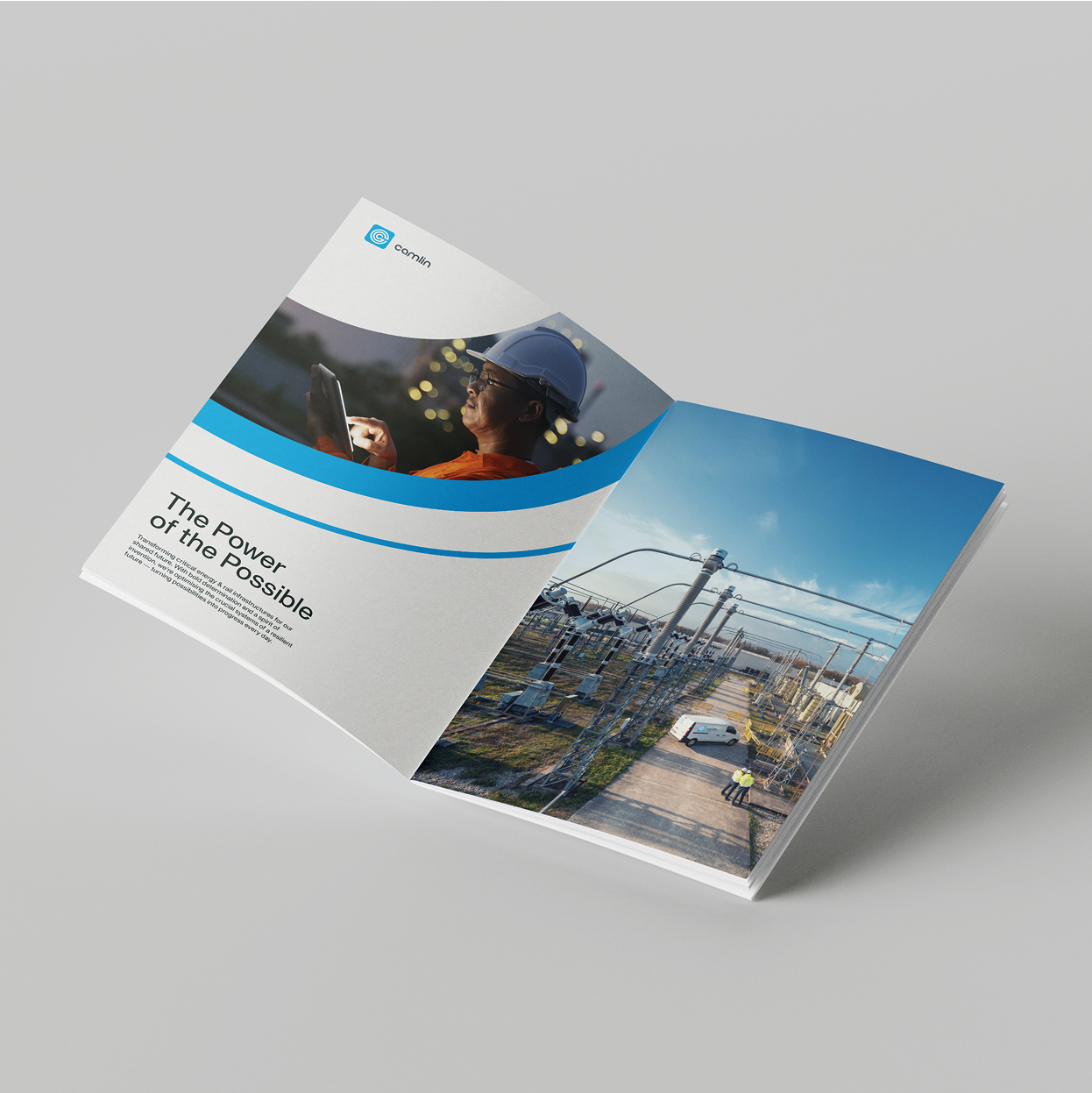
LineSIGHT Brochure
Brochure Download
Simply fill in your details to instantly access the brochure and learn more about its features, benefits, and how we can best support your needs.
Discover more about our overhead line monitoring solution
Read more
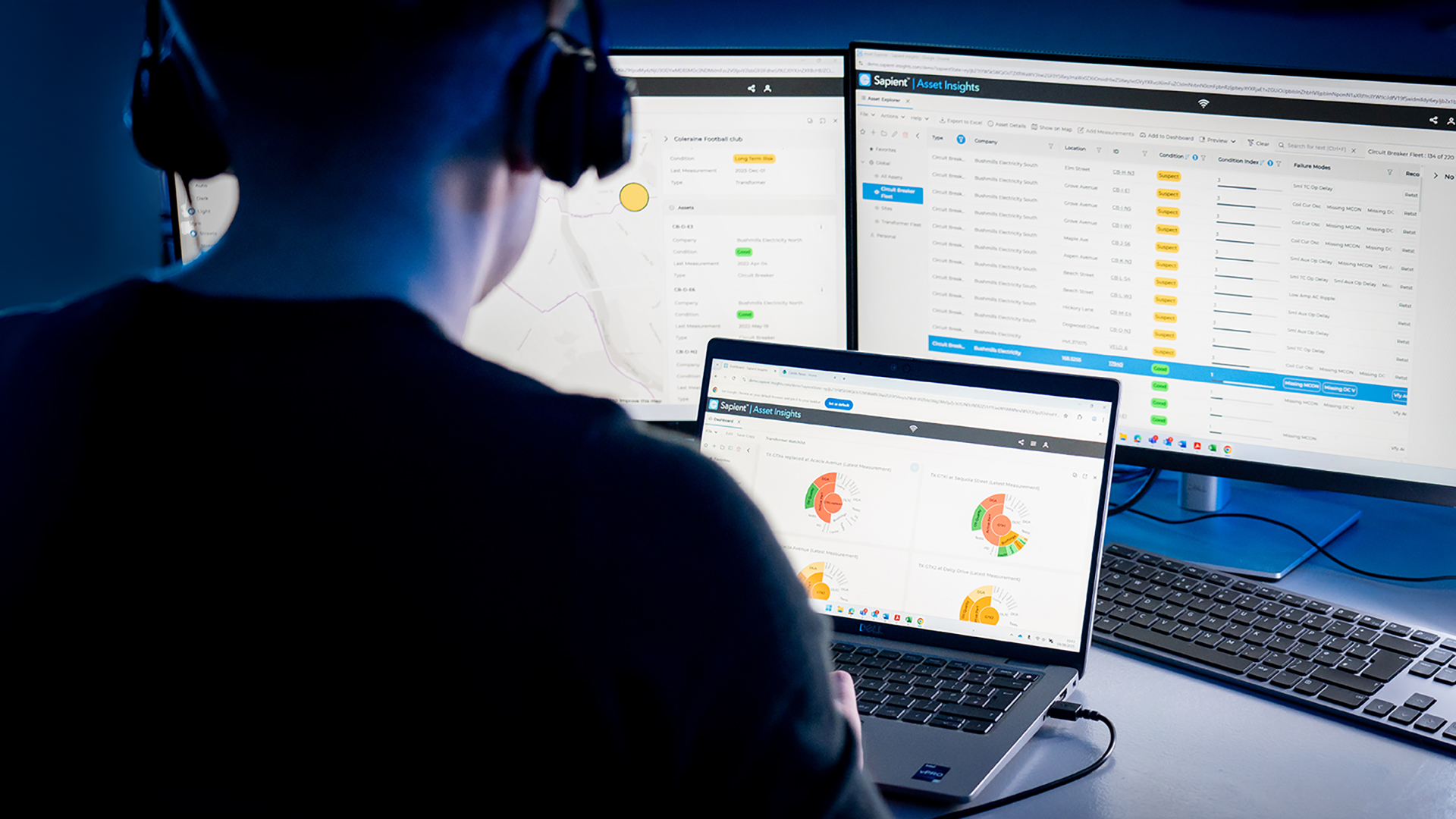
8 Signs you need to upgrade your monitoring strategy
How to Keep Solar Farms Online: Early Fault Detection for Maximum Output