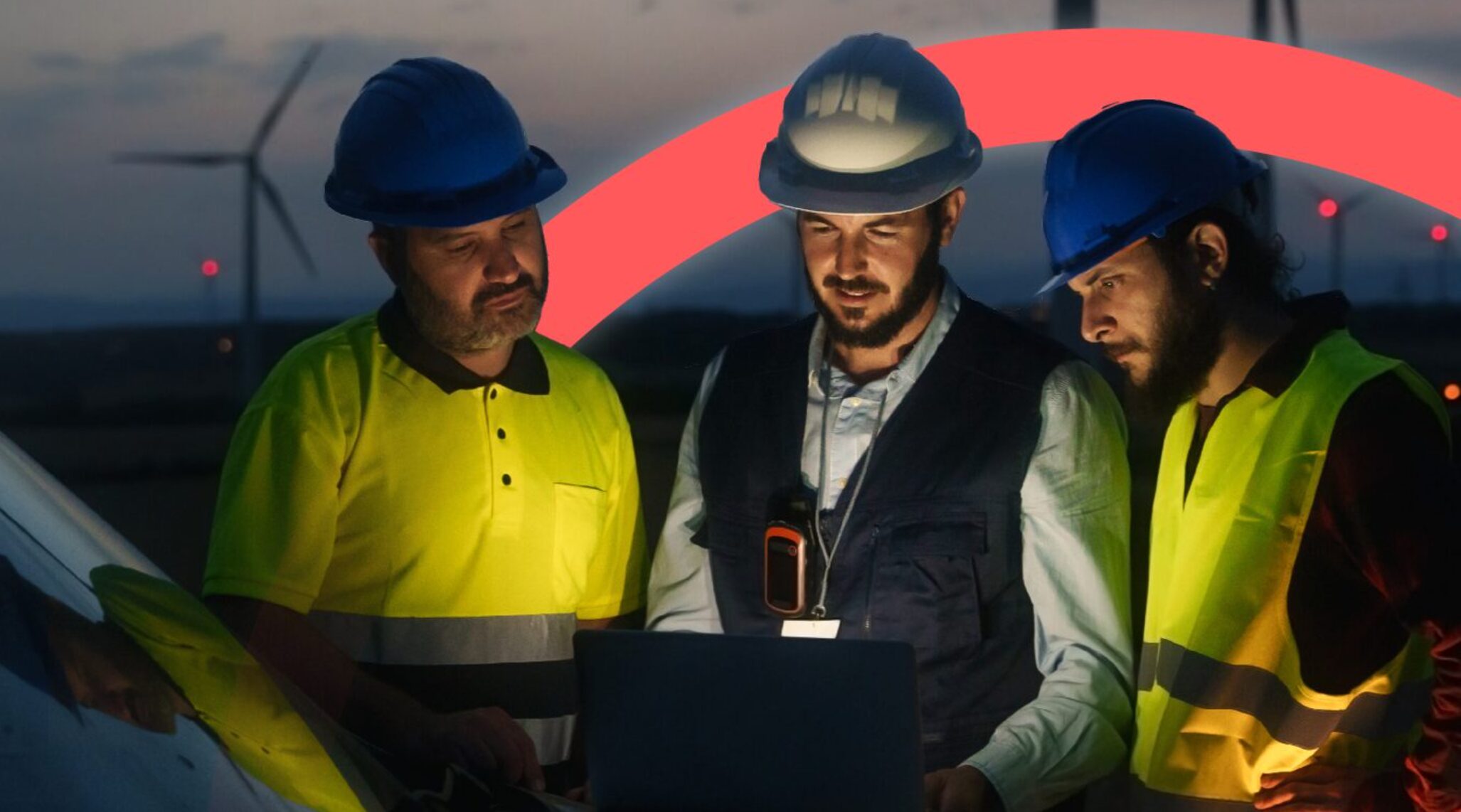
The energy industry spends a great deal of time talking about resilience.
We discuss resilient infrastructure, resilient supply chains, resilient investment programmes and resilient networks. We invest in stronger assets, smarter substations, greater automation and more sophisticated monitoring technologies. All of these are essential if we are to deliver the reliable, low-carbon electricity system society increasingly depends upon.
But there is one aspect of resilience that deserves far greater attention.
The people.
Behind every resilient network is a resilient workforce. Behind every successful restoration is an engineer making decisions under pressure. Behind every control room operation is someone interpreting information, assessing risk and taking responsibility for the safety of colleagues, customers and communities.
Technology may support these decisions, but people remain at the centre of them.
As our networks become increasingly complex, the industry’s biggest challenge may not be whether we can build more intelligent systems. It may be whether we can give the people operating them the confidence to trust the decisions they are making.
Resilience is human before it is technical
The transition to Net Zero is fundamentally changing how distribution networks operate.
Networks must accommodate increasing levels of distributed generation, electric vehicles, heat pumps and low-carbon technologies, all while maintaining reliability, improving resilience against increasingly severe weather events and responding to greater customer expectations.
Operational complexity is increasing faster than ever before.
While investment in digital technologies continues to accelerate, we should remember that technology alone does not create resilience.
People do.
A resilient workforce is not simply one that can adapt to change. It is one that can make informed decisions quickly, confidently and safely when conditions are uncertain.
That confidence is becoming one of the industry’s most valuable operational assets.
A Conversation That Changed My Perspective
Shortly after joining Camlin Energy, I attended an industry conference where I found myself sitting beside an experienced distribution network engineer.
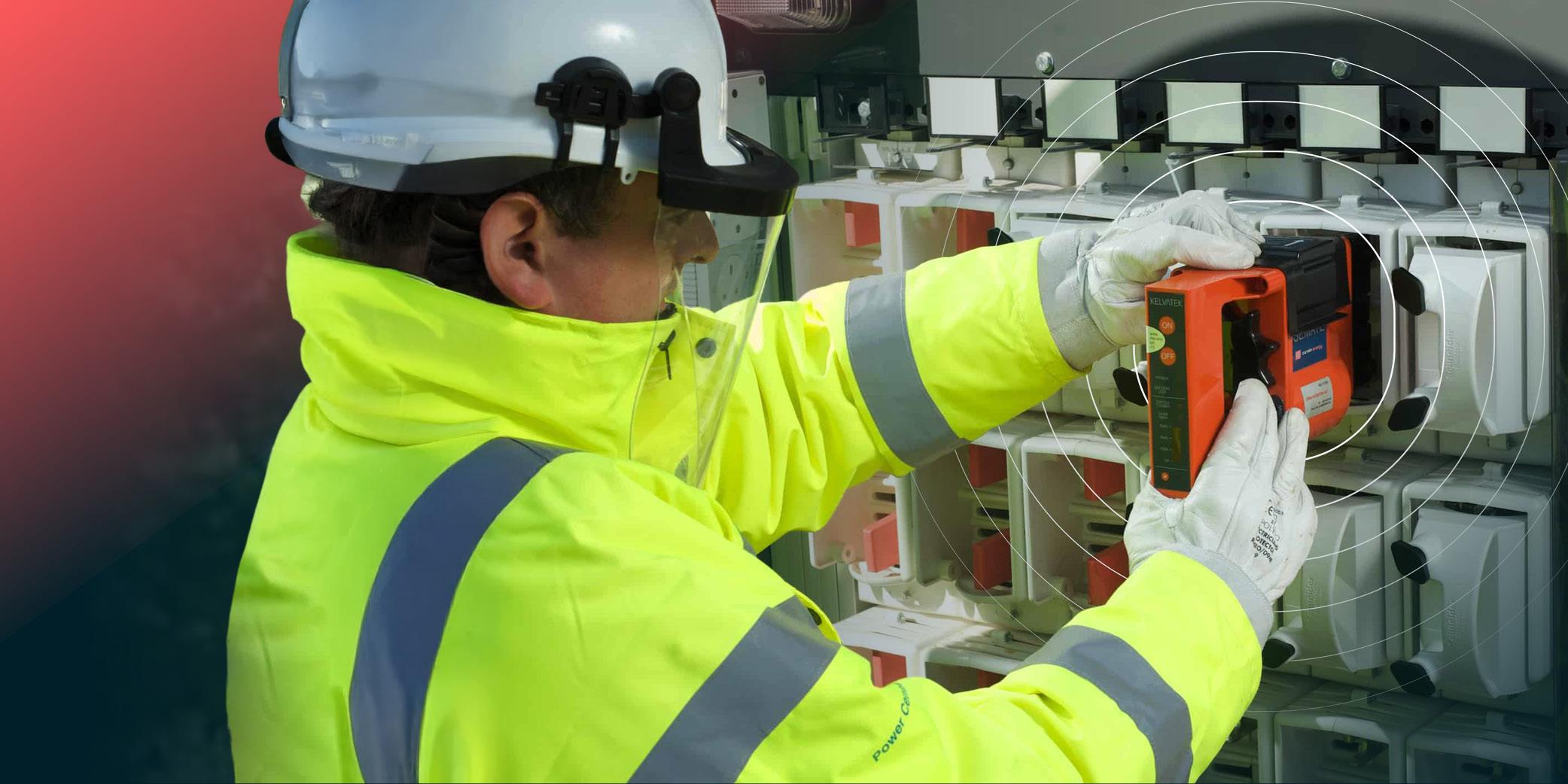
Like many conversations over dinner, it began casually enough. But within minutes, he was passionately describing one of our long-established products, Fusemate.
He wasn’t talking about technical specifications or product features.
He talked about trust.
He explained how Fusemate had become an integral part of the way he worked. How he relied on it. More importantly, how it contributed to him returning home safely after every shift.
That conversation has stayed with me.
As an industry, we often measure innovation by what technology can do.
The people using that technology judge it by something much simpler.
Can they trust it when the consequences matter most?
Precision Creates Confidence
There is a phrase we use regularly at Camlin Energy:
‘Precision protects the network. Confidence protects the operator’.
Those two ideas are inseparable.
Precision is not simply about delivering more accurate data. It is about reducing uncertainty.
Every operational decision involves risk. The less confidence operators have in the information available to them, the more conservative those decisions become.
Conversely, trusted operational intelligence enables faster fault identification, safer deployment of field resources, more informed switching decisions and greater confidence during network restoration.
This is particularly important as severe weather events become more frequent and networks become increasingly dynamic.
When engineers are asked to work in challenging environments, the quality of information available to them directly influences both operational performance and personal safety.
Proven Matters More Than New
Our industry rightly places a high value on innovation.
However, in safety-critical environments, innovation cannot come at the expense of confidence.
Technology must be proven.
That requires patience.
At Camlin Energy, products such as LineSIGHT represent years of engineering, testing and operational learning before widespread deployment. That investment reflects something much broader than product development—it reflects a responsibility to the people who depend on these technologies every day.
Engineers should never be asked to carry additional operational risk because technology has not yet earned their trust.
When organisations invest in operational technologies, they are not simply purchasing hardware or software.
They are investing in confidence.
Technology Should Remove Uncertainty, Not Create It
As digitalisation accelerates across electricity networks, suppliers have an important responsibility.
Technology should simplify decision-making rather than complicate it.
That means understanding how operators actually work.
It means designing solutions around operational reality rather than theoretical capability.
It means listening to engineers, incorporating their feedback and recognising that trust is earned over years of reliable performance—not through marketing claims.
The best technology often disappears into the background.
It simply enables people to perform their jobs more safely, more effectively and with greater confidence.
Building Tomorrow’s Workforce
The industry’s workforce is evolving.
Experienced engineers are retiring. New talent is entering the sector. Expectations around safety continue to rise. Networks themselves are becoming more intelligent and increasingly data driven.
Supporting this workforce requires more than investment in infrastructure.
It requires investment in confidence.
Confidence that field engineers have the right information before arriving on site.
Confidence that control rooms can make faster operational decisions.
Confidence that asset managers understand network condition.
Confidence that planners can make evidence-based investment decisions.
Most importantly, confidence that every person working on the network has the information they need to return home safely.
Looking Beyond Technology
Resilient networks will always require investment in assets.
But assets alone do not build resilience.
People do.
The technologies we develop should never be viewed as ends in themselves. Their purpose is to help people make better decisions, reduce uncertainty and improve safety.
The conversation I had with that engineer all those years ago was never really about a product.
It was about trust.
It was about confidence.
And ultimately, it was about getting home safely.
As our industry continues its transformation, perhaps that is the most important measure of resilience we have.
Because the strongest networks will always be built by confident people, supported by trusted technology, making better decisions every single day.
Building a resilient workforce for tomorrow’s networks
Read more

Camlin Group Sponsors Menopause and Cancer CIC to Deliver First-of-its-Kind Support in Northern Ireland
8 Signs you need to upgrade your monitoring strategy